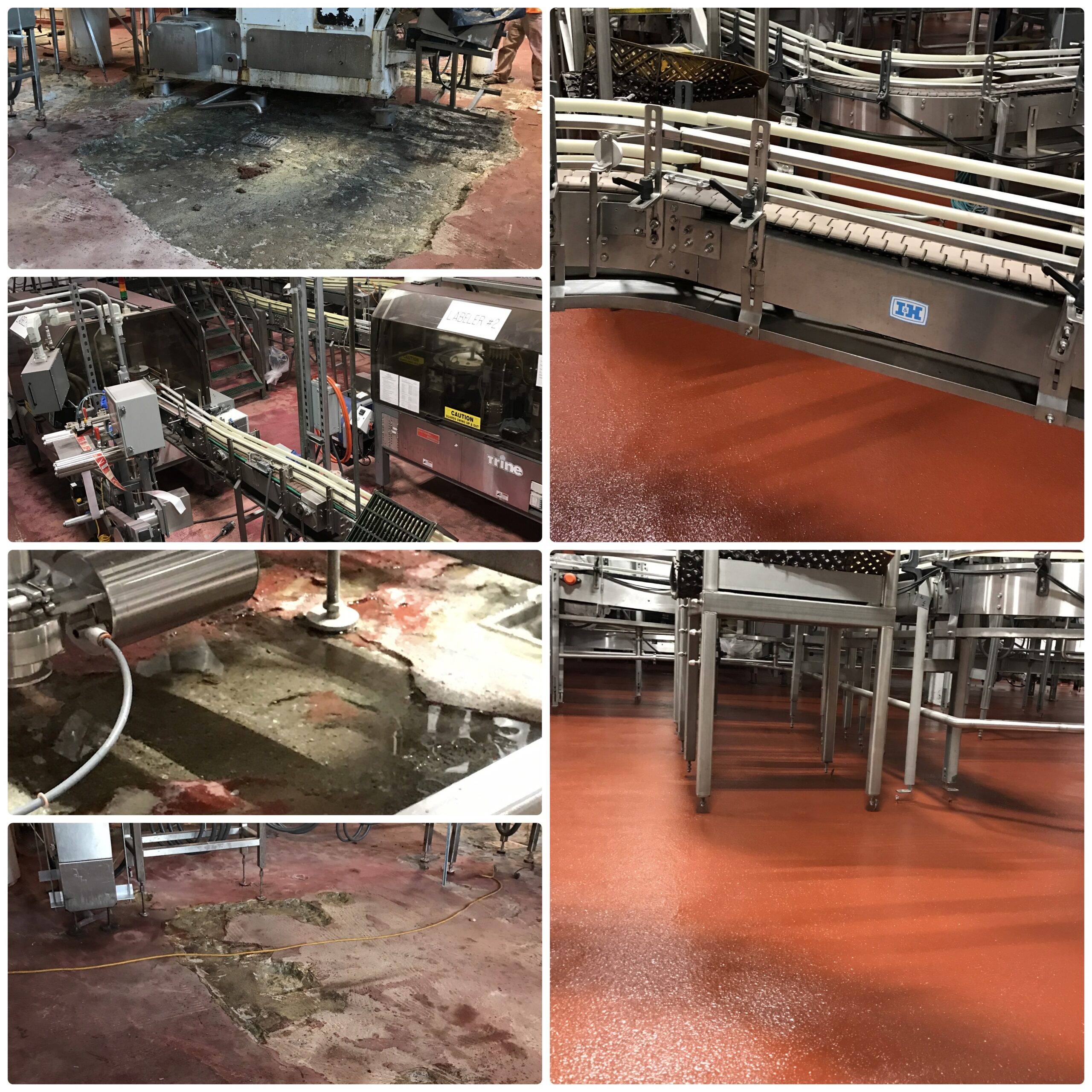
Slip-and-Fall Prevention Is Not Optional
Slip-and-fall incidents are the leading cause of workers’ compensation claims in manufacturing, food processing, and commercial facilities. The average cost per claim exceeds $20,000. Serious falls — broken bones, head injuries, back injuries — can cost $50,000-$100,000 in direct medical and workers’ compensation expenses, plus indirect costs from lost productivity, OSHA investigations, and increased insurance premiums.
OSHA 29 CFR 1910.22 requires that walking-working surfaces be maintained in a condition that does not create slip hazards. Flooring with inadequate slip resistance in wet conditions is a citable violation — and a documented employer awareness of the hazard creates heightened liability exposure in civil litigation.
Understanding DCOF: The Standard for Slip Resistance
Dynamic Coefficient of Friction (DCOF) is the industry-standard measurement for slip resistance on wet surfaces. The ANSI A137.1 standard specifies a minimum DCOF of 0.42 for surfaces subject to wet conditions. Testing is performed with a BOT-3000E tribometer using a standardized SBR rubber test foot on a wet surface.
- DCOF 0.42 minimum: ANSI A137.1 threshold for “wet” areas
- DCOF 0.55-0.65: Good slip resistance for industrial environments
- DCOF 0.65-0.80: Excellent slip resistance — recommended for food processing, wash-down areas, commercial kitchens
- DCOF >0.80: Aggressive texture — typically only for exterior ramps and extreme wet areas
Anti-Slip Coating Solutions
Aggregate Broadcast Systems
The most common and effective method: broadcast aluminum oxide, silica quartz, or specialty polymer aggregate into the wet coating surface. After cure, the exposed aggregate creates a textured surface with excellent grip. Aggregate size (#20, #30, #40, #60 mesh) determines the aggressiveness of the texture.
Textured Topcoats
Some topcoat formulations include integral anti-slip particles that create a uniform, fine texture without the need for separate aggregate broadcast. These systems provide DCOF 0.45-0.55 and are appropriate for light commercial traffic.
Shark Grip and Anti-Slip Additives
Polymer microsphere additives mixed into the topcoat before application create a subtle texture. Less aggressive than aggregate broadcast but effective for areas where some slip resistance is needed without the rough texture of broadcast aggregate.
Balancing Grip and Cleanability
The most aggressive slip-resistant surfaces are also the hardest to clean. In food processing environments, FDA and USDA requirements for cleanable surfaces must be balanced against the need for slip resistance. The solution is typically a medium aggregate broadcast (#30-40 mesh) that provides DCOF 0.55-0.70 while maintaining a surface that can be effectively cleaned with auto-scrubbers and pressure washing.
Document and Test
Every Maverick installation in a wet environment includes post-installation DCOF testing with documented results. This documentation serves two purposes: it verifies the installation meets specification, and it provides evidence of employer due diligence in maintaining safe walking surfaces — critical documentation in any slip-and-fall claim or OSHA investigation.
Contact Maverick Performance Solutions to discuss anti-slip solutions for your facility.